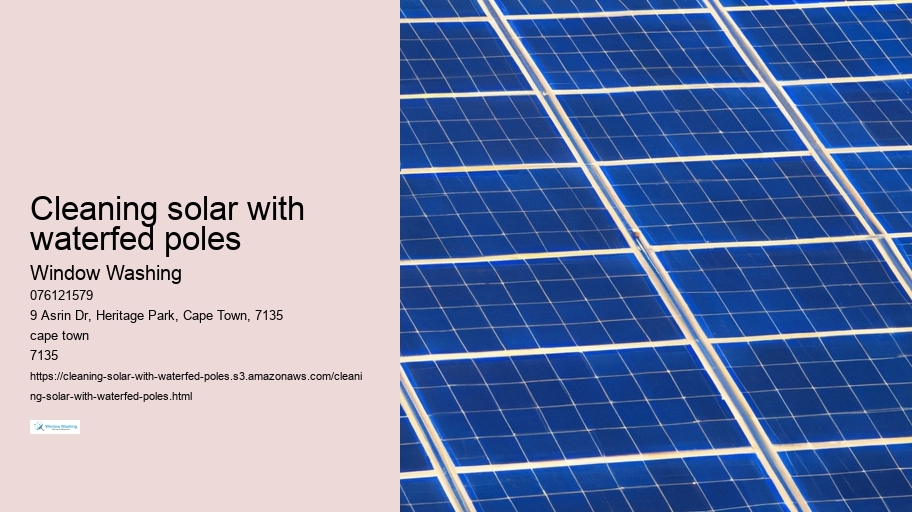
Solar panels are marvels of modern technology, adept at converting sunlight into electrical power. However, their efficiency can be significantly impeded by the accumulation of dirt, dust, and other debris. To ensure that solar panels operate at peak performance, regular cleaning is essential.
Robotic solar panel cleaners .
Dirt and debris on solar panel surfaces create a barrier between incoming sunlight and the photovoltaic cells that generate electricity. This layer of grime reduces the amount of light reaching these cells, thus decreasing the overall energy output—a phenomenon akin to trying to soak up rays through a murky window. In areas with heavy pollution or frequent dust storms, this effect can be particularly pronounced.
Moreover, without proper maintenance, materials like bird droppings or leaves can cause long-term damage to solar panels. These substances may be corrosive or could hold moisture against the surface for prolonged periods, potentially harming the protective coatings or even the structure of the panels themselves.
Cleaning solar panels with water-fed poles presents an efficient solution to these issues. Water-fed pole systems utilize purified water which dries without leaving mineral deposits or streaks behind—common culprits in reducing panel efficiency post-cleanup. The extendable nature of these poles allows for safe cleaning from ground level, negating the need for risky ladder work and making it easier to maintain large arrays frequently and effectively.
In conclusion, keeping solar panels clean is not just about aesthetics; it's vital for maintaining both high energy output levels and ensuring longevity in your investment. Utilizing tools such as water-fed poles helps achieve this while offering a practical method that minimizes risk and maximizes results.
Waterfed pole systems represent a revolutionary approach to cleaning tasks, particularly when it comes to the maintenance of solar panels. These ingenious contraptions utilize the simple yet effective combination of telescopic poles and purified water to achieve spotless results without the need for harsh chemicals or detergents.
At its core, a waterfed pole system comprises an extendable pole, often made from lightweight materials such as aluminum or carbon fiber, which can reach varying heights—sometimes up to 70 feet or more. Attached at the end of this pole is a brush head designed specifically for gentle yet thorough scrubbing. This setup allows operators to clean surfaces while standing safely on the ground, thus eliminating the risks associated with ladder use or other precarious methods that were once commonplace in exterior cleaning jobs.
What makes these systems particularly suitable for cleaning solar panels is their reliance on purified or deionized water. By removing minerals and impurities from the water supply, one ensures that no residues are left behind on the delicate surfaces of photovoltaic cells after rinsing. This aspect is crucial since residue buildup could potentially obstruct sunlight and diminish the efficiency of solar energy conversion.
The process begins by pumping this purified water through hoses up into the waterfed pole and out through jets located near the brush head. As an operator maneuvers the brush across each panel's surface, dirt and grime are loosened and washed away by a constant flow of clean water. The absence of sudsing agents means that there is no need for a separate rinsing stage; evaporation leaves behind nothing but gleaming glass.
Adopting waterfed poles not only assures safety by keeping feet firmly planted on terra firma but also promotes environmental stewardship due to its minimal ecological footprint—a factor increasingly important in industries related to renewable energy like solar power generation.
In summary, cleaning solar panels with waterfed poles optimizes both human safety and operational efficiency. It's an elegant solution that aligns perfectly with sustainable practices essential for our environment's future well-being—an example where modern technology meets traditional cleanliness with spectacular harmony.
Understanding Waterfed Pole Systems for Solar Panel Cleaning
Solar panel efficiency can be significantly impacted by the accumulation of dirt, dust, and other residues. To maintain their optimal performance, regular cleaning is essential. One innovative method that has gained popularity for this purpose is the use of waterfed pole systems. This approach combines extendable poles with a pure water system to enable effective and safe cleaning without the need for harsh chemicals or detergents.
The essence of a waterfed pole system lies in its simplicity and environmental friendliness. An operator can stand on the ground and clean panels using a long, telescopic pole that delivers purified water to a brush head at its tip. The pure water used is typically deionized or demineralized, ensuring that it leaves no streaks or residue when it dries.
One key advantage of this method is safety; since workers remain on the ground, there's less risk associated with heights compared to traditional methods that require ladders or scaffolding. Additionally, the absence of soap means there's no need for rinsing, saving both time and water.
However, employing such systems does come with challenges that include initial cost outlays for equipment and training required to operate them efficiently. Furthermore, these systems may not always be suitable in areas with severe water restrictions due to drought conditions.
In conclusion, while understanding and implementing waterfed pole systems require an investment in terms of resources and learning curve adaptation, they offer an eco-friendly solution for maintaining solar panel cleanliness and functionality. With continued advancements in technology making these systems more accessible and efficient, they are set to become an integral part of solar maintenance protocols worldwide.
Waterfed poles have revolutionized the way we clean hard-to-reach surfaces like solar panels. These innovative cleaning tools are designed to streamline and enhance the process of keeping panels free from dirt and debris, which can significantly affect their efficiency.
At its core, a waterfed pole is an extendable tool, often made from lightweight materials such as aluminum or carbon fiber, enabling it to reach heights without compromising on stability or user control. The length of these poles can vary greatly, accommodating different cleaning scenarios from residential to commercial applications.
Attached at the end of these poles is a brush head specially designed for gentle yet effective scrubbing. This feature ensures that while dislodging grime and dust, the surface of the solar panel isn't scratched or damaged in any way—a crucial consideration given the sensitive nature of solar cells.
The "waterfed" aspect refers to an integrated water system within the pole. Water is pumped up through the pole and jets out near the brush bristles. Typically, this water is not just tap water; it's purified using a filtration system such as reverse osmosis or deionization processes. By utilizing pure water without minerals or contaminants, there's no risk of leaving behind residue that could attract more dirt or create streaks on the panel surface once dried.
Using a waterfed pole for cleaning solar panels involves extending the pole to the required height, brushing over the panels with controlled movements to agitate and loosen any accumulated filth. As this happens, pure water rinses away this debris concurrently. Since there's no need for detergents or chemicals when using pure water technology, this method also boasts eco-friendliness alongside efficacy.
In summary, waterfed poles offer a practical and efficient solution for maintaining solar panels' performance by ensuring they remain clean and unobstructed by dirt build-up. Their use requires less physical exertion compared to traditional methods while eliminating various safety risks associated with climbing ladders or working at heights since operators can keep both feet firmly on solid ground. With their advanced design incorporating lightweight construction and purified-water delivery systems—coupled with specialized brush heads—waterfed poles are indispensable tools in modern sustainable energy upkeep strategies.
Cleaning solar panels is essential to maintain their efficiency and longevity. Traditional cleaning methods often involve using ladders or scaffolding, which can be both time-consuming and hazardous. Waterfed poles represent a modern alternative that offers several advantages over these conventional approaches.
Firstly, waterfed poles allow for safer cleaning operations. Workers remain on the ground, eliminating the risks associated with climbing high structures. This reduction in fall hazards is not merely a safety benefit; it also translates into potential insurance savings for businesses due to fewer workplace accidents.
Secondly, the reach of waterfed poles is significantly greater than that of handheld squeegees or scrubbers. They can extend to various lengths, enabling cleaners to access hard-to-reach areas without moving heavy equipment around. This accessibility ensures a more thorough clean since no spots are left untouched due to limitations in reach.
Another advantage lies in the efficiency of waterfed pole systems. These tools utilize purified water which leaves no residue or streaks on the solar panels after drying. The absence of detergents not only results in spotless surfaces but also prevents potential chemical damage to the solar panels' sensitive surfaces.
Moreover, purified water has an inherent ability to attract dirt particles from the surface of the panels due to its lack of minerals. Consequently, this results in a more effective clean as impurities are readily absorbed by the water and rinsed away.
In addition, using waterfed poles contributes positively to environmental conservation efforts because they require less detergent or none at all compared to traditional methods. By minimizing chemical use, there's less risk of harmful substances contaminating nearby soil or water sources.
Finally, time efficiency is another key benefit as cleaning crews can complete their tasks faster with waterfed poles than through manual scrubbing. The combination of extended reach and rapid movement across panel surfaces means large installations can be cleaned in a fraction of the time it would take with traditional methods.
In conclusion, utilizing waterfed poles for cleaning solar panels presents multiple advantages such as improved safety conditions for workers, enhanced accessibility and coverage during cleaning processes, ecological benefits from reduced chemical usage, better cleaning effectiveness through pure-water technology, and significant time-saving aspects that streamline maintenance schedules for solar installations.
Cleaning solar panels effectively requires not just the right tools, but also meticulous preparation to ensure those tools work optimally. A waterfed pole system is a quintessential apparatus employed for this task - it's efficient, safe, and provides an eco-friendly cleaning solution by using pure water without chemicals. However, before you can harness its full potential on solar arrays, there are crucial steps that must be followed to prepare your waterfed pole system for use.
To commence, inspecting your equipment is paramount. This involves checking the water-fed pole itself for any damage or wear that could impair its function or pose a safety risk. Look closely at the telescopic sections – they should extend and retract smoothly. Any jams or rough spots may indicate dirt buildup or mechanical issues.
Next up is assembling the brush head onto the pole. Ensure that it's securely attached and that the bristles are in good condition—worn-out bristles won't clean as effectively and might even scratch the delicate surface of solar panels.
The heart of this system lies in its ability to produce purified water. Typically, this entails running tap water through a filtration process involving reverse osmosis (RO) and deionization (DI) filters to remove impurities and minerals. Before operation, check these filters for clogging or exhaustion; inefficient filtering will leave residues on panels post-cleaning.
Once your filtration system is ready to go, it's time to connect hoses between it and your water-fed pole. Make sure all connections are secure with no leaks; even minor dripping can lead to wasted water and increased operating costs over time.
After connecting everything properly, perform a test run with clean tap water before switching to purified output—this helps flush out any contaminants within the lines. Once satisfied with the setup’s functionality, allow only purified water through; this ensures streak-free drying which is essential for maximum sunlight absorption by solar cells post-cleaning.
Finally yet importantly comes calibration of flow control settings on your pole system—if too much pressure is used during cleaning operations you may damage panel surfaces or supporting structures; conversely too little pressure will result in unsatisfactory cleaning outcomes.
In conclusion, preparing your water-fed pole system carefully sets you up for success when tackling solar panel maintenance tasks—it ensures safety while maximizing efficiency during cleaning sessions ensuring optimal performance from both equipment standpoint as well as energy production perspective from cleaned solar installations.
Assembling and preparing a waterfed pole system for cleaning solar panels is an efficient way to maintain the efficiency and longevity of your solar investment. This method uses purified water without chemicals, reducing the risk of damaging the panels or leaving behind residue that could affect their performance.
The first step is to choose the appropriate length of pole for your needs. Waterfed poles come in various sizes, typically ranging from 10 feet to over 60 feet, allowing you to reach high installations safely from the ground. Selecting a telescopic model will provide versatility for different heights.
Next, connect your brush head to the pole's top section. Brushes designed specifically for solar panel cleaning have soft bristles to prevent scratching and are often angled to optimize surface contact. Ensure that it is securely attached before extending the pole.
After attaching the brush head, assemble any additional sections if your chosen pole extends beyond one piece. Each segment usually locks into place with either a clamp or twist-lock mechanism. Check all connections are tight and secure before proceeding further.
Now it's time to prepare your water supply. You'll need a source of pure water—typically achieved through deionization or reverse osmosis—to avoid leaving mineral deposits on your panels after drying. Connect this source to your hose reel and ensure there are no leaks in the system.
With your pure water source ready, attach the hose line to your waterfed pole at its base, ensuring a snug fit. Run some water through by opening the valve on your purification unit until it reaches and flows out of the brush head; this ensures air is purged from the system.
Before beginning cleaning operations, adjust any ergonomic features on your pole such as grips or shoulder supports for comfortable use during extended periods. Also set up safety equipment like cones or barriers if working near public pathways or thoroughfares.
To begin cleaning, extend the pole gently towards each solar panel while maintaining firm control over it at all times—avoid sudden movements that may cause tipping or damage. Start from one end of each panel row moving horizontally across them with smooth motions while continuously applying gentle pressure so as not smear dirt around instead of lifting it off surfaces with flowing water provided by brush heads' jets.
By following these steps carefully when assembling and preparing a waterfed pole system for cleaning solar panels you can perform this task effectively while safeguarding both equipment being cleaned workers carrying out job alike thus ensuring peak performance energy generation throughout year round maintenance cycles undertaken responsibly conscientiously within growing sustainable practices framework today's environmentally conscious society demands us all adhere too closely evermore than before historical precedents might suggest necessary due course our collective future wellbeing depends upon such diligence now more than ever indeed.
When it comes to maintaining the efficiency and longevity of solar panels, proper cleaning is crucial. An effective way to accomplish this task is by using water-fed poles equipped with the appropriate brush heads. However, selecting the right brush head and adjusting water flow can be a nuanced process that requires careful consideration.
The first step in choosing the correct brush head for solar panel cleaning is understanding the surface you're dealing with. Soft bristles are typically recommended as they are less likely to scratch or damage the delicate surfaces of solar panels. For particularly stubborn grime, one might consider a brush with slightly stiffer bristles; however, caution must be exercised not to apply excessive pressure during cleaning.
Brush size is another important factor—using an oversized brush could lead to inefficient cleaning and wasted effort, while a small one may prolong the task unnecessarily. Aim for a size that covers a substantial portion of the panel but still allows for maneuverability.
Water flow adjustment on your water-fed pole plays an equally critical role in optimizing your cleaning process. The goal is to use enough water to rinse away dirt without creating wasteful runoff. Start with a moderate flow rate and adjust as needed based on how effectively debris is being removed from the panel surface. Remember that too much pressure can cause splashing and may lead to streaking or even damage.
In areas with hard water, it's advisable to use deionized or purified water systems attached to your pole setup. This prevents mineral deposits from forming on panels post-cleaning—a key element in ensuring maximum light penetration for energy production.
To summarize, when aiming for optimal solar panel maintenance through water-fed pole cleaning systems, choose soft-bristled brushes of appropriate size; adjust your water flow carefully; and consider using purified water if dealing with hard water conditions. By attending meticulously to these details, you will enhance both the performance and lifespan of your solar arrays.
Cleaning solar panels is a task that requires gentle care and the right equipment to ensure the panels operate efficiently without being damaged. Waterfed poles have become a popular method for this job due to their effectiveness and safety. These long-reach tools allow cleaners to remain on the ground, minimizing the risk of falls and damage to the roof or solar panels.
The technique begins with choosing a waterfed pole system with a soft brush head designed specifically for solar panel cleaning. The soft bristles are crucial as they prevent scratching and abrasions on the delicate surface of the panels. Before starting, it's important to check that there’s no debris or hard particles lodged in the brush that could scratch the panels.
Next, it's essential to use purified water when cleaning solar panels with a waterfed pole. Tap water contains minerals which can leave deposits and streaks on panel surfaces after drying. Purified water, such as deionized or reverse osmosis-treated water, dries spot-free, maintaining maximum light penetration for optimal solar efficiency.
When you're ready to clean, extend the pole gently until it reaches your desired length. Start from the top of the solar panel array and work your way down in steady horizontal strokes. This method ensures that dirty water flows downwards away from cleaned areas, reducing recontamination.
Apply moderate pressure while brushing; too much force might cause damage while too little won't effectively remove dirt buildup. After scrubbing with water-fed brushes, rinse each panel thoroughly with more purified water to wash away any loosened dirt particles.
In conclusion, using a combination of proper techniques and specialized equipment like waterfed poles can make cleaning solar panels both efficient and safe. By selecting suitable brushes, employing purified water, utilizing systematic cleaning patterns, and applying appropriate pressure during brushing and rinsing stages – one can ensure peak performance from their solar installations without risking harm to themselves or their investments.
When it comes to maintaining the efficiency and longevity of solar panels, proper cleaning techniques cannot be overstated. Solar panels are prone to accumulating dust, dirt, bird droppings, and other debris which can significantly reduce their ability to generate power. Using water-fed poles is a popular method for cleaning solar panels because it allows for gentle washing without the need for harsh chemicals or direct contact that might scratch or damage the panel surface.
However, even with such a tool designed to minimize harm, improper technique can lead to unintentional damage. Therefore, instruction on appropriate brushing methods is critical. The first step in this process is ensuring that the brush attached to the water-fed pole is specifically designed for solar panel cleaning; these brushes have soft bristles that are less likely to cause abrasions.
Next, operators must be mindful of the pressure they apply while cleaning. Too much force can not only degrade the protective coating on the panels but also disturb their structural integrity. It's important to let the weight of the brush head do most of the work, using minimal downward force as you guide it across the panel's surface.
The movement should be smooth and methodical – not haphazard or overly vigorous – typically performed in either a side-to-side or up-and-down pattern. This ensures comprehensive coverage without repeatedly going over the same area, which could potentially wear down surfaces over time.
It's also essential that cleaners maintain a steady flow of deionized water through the pole system during brushing. This water acts as a lubricant and helps flush away loosened dirt particles effectively. By avoiding dry brushing or allowing areas to dry before they've been thoroughly rinsed, one reduces chances of leaving behind streaks or mineral deposits from hard water.
Lastly, regularity is key; frequent light cleanings are preferable over infrequent heavy cleanings which require more aggressive techniques due to build-up. Staying proactive with maintenance prevents stubborn grime accumulation and reduces risk during each cleaning session.
In summary, safeguarding your investment in solar technology begins with proper care—specifically when employing tools like water-fed poles for cleansing purposes. By selecting an appropriate brush type, applying gentle pressure in consistent patterns while keeping panels moistened throughout operation and conducting routine washes—a cleaner effectively preserves both functionality and appearance of these valuable energy generators.
When tasked with maintaining the pristine condition of solar panels, encountering stubborn grime and bird droppings is a common challenge. Such contaminants not only mar the aesthetic appeal of the panels but also impede their efficiency by blocking sunlight. Employing water-fed poles emerges as an innovative and effective strategy for tackling this issue.
The essence of using water-fed poles lies in their ability to reach elevated or awkwardly positioned panels without necessitating ladders or scaffolding. This method ensures safety and preserves time, two pivotal considerations in any maintenance routine. At the heart of these poles flows purified water, often devoid of minerals that could otherwise leave residue on the panels post-cleaning.
For dislodging especially tenacious dirt, it's advisable to pre-soak the affected areas before attempting removal. Allowing water to penetrate and loosen the accumulated debris can significantly ease the subsequent cleaning process. In instances where pre-soaking proves insufficient, incorporating soft-bristled brushes attached to the pole may provide additional agitation necessary to break free from resilient filth.
Confronting bird droppings presents its own set of challenges due to their adhesive nature and potential corrosiveness if left unattended over time. A gentle yet assertive approach works best; vigorous scrubbing could potentially cause scratches on the panel surfaces. Implementing a mild detergent solution alongside purified water can enhance cleaning efficacy while safeguarding against damage.
In summary, when dealing with difficult dirt or bird excrement on solar installations, leveraging water-fed poles equipped with pure water—and occasionally coupled with soft brushes and gentle detergents—stands out as a secure and efficient method for restoring clarity and performance to these renewable energy assets.
Cleaning solar panels with waterfed poles can be an efficient and effective method to maintain energy efficiency and prolong the lifespan of the solar array. However, safety considerations are paramount when using such equipment to prevent accidents and ensure a smooth operation.
Firstly, one must consider the stability of the ground where the operator stands. Uneven or slippery terrain increases the risk of falling while maneuvering long poles. Therefore, it's crucial to survey the area beforehand and choose appropriate footwear that provides ample grip.
Secondly, awareness of overhead hazards is essential. Power lines or tree branches can interfere with the pole's path, creating dangerous situations. Users should always inspect their surroundings for potential risks before extending poles towards solar panels.
Thirdly, handling waterfed poles requires proper technique to avoid musculoskeletal injuries. Operators should be trained in ergonomics to employ body movements that minimize strain on muscles and joints during use.
Fourthly, considering water conductivity is important if working near electrical installations like solar panel arrays. Utilizing deionized water can mitigate the risk of electrical conduction that may lead to shock or short circuits.
Lastly, regular inspection and maintenance of equipment cannot be overstated. Ensuring that all components are in good condition will help avoid malfunctions during operation which could lead to accidents or suboptimal cleaning results.
In conclusion, while utilizing waterfed poles for cleaning solar panels presents a practical approach, careful attention must be given to safety aspects surrounding its use—ground stability, overhead obstacles, ergonomic handling techniques, electrical safety measures with deionized water usage, and diligent maintenance checks form a comprehensive safety protocol that ensures both human welfare and peak performance in solar upkeep tasks.
Cleaning solar panels with water-fed poles can be a highly effective and safe method to maintain the efficiency of your solar array. However, personal safety should never be compromised during the process. Below are guidelines that emphasize crucial steps in ensuring one's well-being while using long-reach poles for such tasks.
Firstly, inspect your equipment before each use. Check the pole for any signs of damage or wear that could compromise its integrity. Ensure that locking mechanisms are fully functional to prevent unexpected collapses which could lead to injury.
When positioning your ladder, make sure it is on stable ground and at a safe angle. A good rule of thumb is to place the base one foot away from the wall for every four feet of height. Always face the ladder when ascending or descending and maintain three points of contact at all times.
Be mindful of overhead hazards such as power lines or tree branches when extending the pole. Coming into contact with electrical wires can result in serious injury or death, so always keep a safe distance and observe local regulations regarding working near power lines.
It’s also important to consider ergonomic practices. Use both hands to control the water-fed pole and switch positions regularly to avoid muscle strain or repetitive motion injuries. Keep your back straight and bend your knees slightly to help maintain balance.
Stay hydrated and take breaks as needed, especially when working under direct sunlight for extended periods. Heat exhaustion can sneak up quickly, so wearing appropriate clothing like hats and light-colored, breathable fabrics will help manage body temperature.
Lastly, ensure proper cleanup after completing the job. Safely retracting and storing equipment prevents tripping hazards and prolongs the life of your tools.
In conclusion, by following these guidelines—inspecting equipment, securing ladders properly, avoiding overhead hazards, practicing good ergonomics, staying hydrated, taking breaks, wearing suitable clothing, and cleaning up responsibly—we can ensure personal safety while efficiently cleaning solar panels with water-fed poles.
Cleaning solar panels is essential for maintaining their efficiency and longevity. However, combining water with electrical systems such as solar panels can pose significant risks if not managed correctly. To ensure the safety of personnel and equipment when using water-fed poles for cleaning, strict measures must be adopted to prevent electrical hazards.
Firstly, it is crucial to de-energize the solar panel system before commencing any cleaning operation. This can be achieved by shutting down the inverter and disconnecting any connections to the power grid or storage batteries. By doing so, we eliminate the risk of electric shock or short-circuiting.
Secondly, appropriate personal protective equipment (PPE) should be worn at all times. This includes rubber-soled shoes and gloves rated for electrical work, which provide an additional layer of insulation against potential electric shock.
Thirdly, inspecting the water-fed pole system for damage prior to use cannot be overlooked. Any signs of wear on hoses or poles could lead to unexpected leakage that may result in an electrical hazard around a live solar panel array.
Moreover, caution must be exercised when adjusting the length of telescopic water-fed poles. Keeping a safe distance from overhead power lines prevents accidental contact that could lead to dangerous arcing or electrocution.
Additionally, only use purified or deionized water which is less conductive than tap water. This reduces the risk of creating a conductive path for electricity.
Finally, comprehensive training must be provided to individuals responsible for cleaning solar panels with water-fed poles. They should understand how electricity behaves around water and recognize warning signs of potential hazards.
In conclusion, while cleaning solar panels with water is necessary for optimal performance, it brings about inherent risks that necessitate careful planning and execution of preventative measures against electrical hazards. Through de-energizing systems, utilizing PPEs effectively inspecting equipment regularly employing non-conductive materials providing thorough training one ensures a secure environment conducive efficient maintenance practices within the realm renewable energy resources management.
Maintaining your waterfed pole equipment is essential for ensuring effective and efficient cleaning, especially when it comes to tasks such as solar panel maintenance. Careful attention to the condition of your tools will not only prolong their lifespan but also improve the quality of your cleaning efforts.
Firstly, after each use, it's crucial to thoroughly rinse your water fed pole with clean water. This practice prevents mineral buildup from tap water which can clog filters or nozzles, leading to inconsistent water flow and reduced cleaning efficiency.
Secondly, inspect all connections and fittings regularly. Over time, these can become loose or worn out, potentially causing leaks or loss of pressure. Tighten any loose parts and replace those that are damaged to maintain optimal performance.
Additionally, check the brush heads for wear and tear. Worn bristles may not clean effectively and could even scratch delicate surfaces like solar panels. As such, replace brush heads regularly depending on usage frequency and the level of abrasiveness encountered during cleaning jobs.
Furthermore, keep an eye on the filtration system. A well-maintained filter ensures that you're using pure water for streak-free results. Replace resin or other filter media as recommended by the manufacturer to prevent impurities from compromising your cleaning solution.
Lastly, proper storage of your equipment cannot be overstated. Avoid leaving poles extended in direct sunlight as UV rays can weaken carbon fiber material over time. Collapsing and storing them in a cool, dry place preserves their structural integrity.
In conclusion, regular care and proactive maintenance greatly extend the service life of your waterfed pole equipment while ensuring peak performance when cleaning solar panels or undertaking similar tasks requiring spotless clarity.
When it comes to maintaining solar panels, regular cleaning is a crucial component for ensuring they operate at peak efficiency. Solar panels are constantly exposed to the elements, gathering dust, pollen, bird droppings, and other debris that can significantly reduce their ability to generate power. A water-fed pole system offers a practical solution for keeping your solar array clean without the need for harsh chemicals or laborious scrubbing.
The essence of using a water-fed pole system lies in its simplicity and effectiveness. This method employs an extendable pole with a brush on one end and a hose that feeds deionized or purified water directly onto the surface of the solar panels. The soft bristles of the brush gently agitate and lift dirt from the panel's surface, while the pure water rinses away residue leaving no spots or streaks behind due to lack of minerals in the water.
To ensure your equipment remains in top condition and performs optimally, here are some maintenance suggestions:
1. Make routine checks part of your schedule: Inspect your water-fed poles periodically—perhaps every few months—to confirm there’s no damage to hoses or brushes. Check for blockages in the nozzle that could impede water flow.
2. Keep components clean: After each use, rinse out brushes and hoses with clean water to prevent buildup of dirt which might later contaminate your solar panels.
3. Store equipment properly: When not in use, keep your poles and accessories stored away from direct sunlight or extreme temperatures which can cause deterioration over time.
4. Replace worn parts promptly: Monitor wear on bristles and any moving parts; replace them as necessary to maintain high cleaning standards.
5. Manage water purity: Since spotless cleaning relies on high-grade deionized water, regularly check your filtration system (if applicable) to ensure you’re always using optimal quality H2O for cleaning purposes.
6. Implement a regular cleaning schedule: Depending on your local environment—such as areas with high pollen counts or frequent bird activity—you may need to clean more often than others do; usually, quarterly cleanings suffice but adjust as needed based on environmental factors.
7. Safety first: Always prioritize safety when using extended poles by being aware of overhead hazards such as power lines; also ensure stable positioning before starting any work at height.
Adhering to these guidelines will help you maximize both longevity and performance of your solar installation through effective use of water-fed pole systems – an environmentally friendly way to protect this renewable energy investment for years ahead!
Maintaining a solar panel system is crucial to ensure its efficiency and longevity. One of the methods to keep these panels clean involves using water-fed poles, which allow for gentle yet effective cleansing without the need for harsh chemicals or abrasive tools that can damage the delicate surface of the panels.
When we consider the best practices for storing your water-fed pole system, it's important to focus on preserving its functional integrity. First and foremost, after each use, it's essential to drain any remaining water from the poles and hoses. This step prevents any potential freezing in colder climates, which could cause cracks or other damage. Additionally, standing water can lead to algae growth or mineral buildup within the hose or pole, potentially clogging filters or nozzles.
Once drained, disassemble your poles if possible and store them horizontally or hang them vertically in a dry area away from direct sunlight. UV exposure can weaken the materials over time, leading to brittleness in plastic parts and corrosion in metal components. If you do not have an indoor storage option available, consider using a protective cover designed to block out UV rays.
The brushes used with your system should be rinsed thoroughly to remove any debris such as dust particles or leaves that may have been collected during cleaning. Allow these brushes to air dry completely before storage; this helps prevent mold and mildew formation on bristles that remain damp.
For those who use purified water systems alongside their water-fed poles, ensuring that your filtration equipment is also properly maintained is just as crucial. Replace filters according to manufacturers' recommendations and flush out tanks periodically to avoid contamination that could affect cleaning performance.
Finally, regular inspection of all components including telescopic sections should be conducted for signs of wear and tear. Tighten any loose connections and replace worn-out parts promptly; this will help prevent unexpected failures during operation.
By following these recommendations diligently—draining water after use, protecting against UV damage, keeping components clean and dry—you'll extend the lifespan of your solar panel cleaning system significantly while ensuring peak performance when it comes time for maintenance tasks.
Cleaning solar panels is crucial for maintaining their efficiency and longevity. It's a task that involves removing accumulated dust, dirt, and bird droppings which can block sunlight and reduce power output. Water-fed poles offer an eco-friendly and effective method for cleaning these valuable energy sources.
Environmental benefits of using water-fed poles are numerous. This technology minimizes the use of chemicals, relying instead on pure water to cleanse the panels. By eliminating harsh detergents, it prevents potential soil and water contamination, safeguarding local ecosystems.
Moreover, water-fed poles allow cleaners to work from the ground, reducing the need for ladders or scaffolding. This reduction in equipment means fewer resources are consumed in the cleaning process itself – a subtle yet significant environmental saving.
Best practices when employing water-fed pole systems include utilizing deionized water to prevent mineral deposits on the solar panels post-cleaning. Moreover, scheduling cleanings during cooler parts of the day can reduce water evaporation and ensure maximum effectiveness of the cleaning process.
In summary, cleaning solar panels with water-fed poles not only upholds their performance but also aligns with sustainable practices that benefit our planet. As we continue to harness the sun's power, it's imperative that we do so while respecting and preserving our natural environment.
When contemplating the ecological benefits of employing pure water systems for cleaning solar panels with water-fed poles, we must consider the multifaceted impact of chemical-free maintenance. Traditional cleaning agents often contain substances that could potentially harm the environment through runoff, infiltrating soil and waterways, and thereby affecting local ecosystems. In contrast, utilizing pure water—devoid of additives—provides a sustainable solution that mitigates these environmental risks.
The intrinsic beauty of pure water systems lies in their simplicity: they use deionized or reverse osmosis-treated water that absorbs dirt particles from the solar panel surfaces without leaving residue or streaks. This process eliminates the need for detergents, which typically necessitate further rinsing and can introduce pollutants into the ecosystem. Moreover, as solar panels are commonly installed on roofs or in open fields, any chemicals used during cleaning would inevitably be exposed to natural elements such as wind and rain, which can spread contaminants over a wider area.
Furthermore, by sidestepping chemical cleaners, we not only protect our immediate surroundings but also contribute to the broader goal of reducing demand for environmentally harmful production processes associated with these substances. Pure water systems align seamlessly with the overarching purpose of solar energy—to harness clean power while minimizing ecological footprints.
Additionally, avoiding chemicals means protecting both installers and end-users from potential health hazards linked to exposure to toxic materials. Water-fed poles facilitate this safety by allowing for ground-level operation that eliminates the need for ladders or scaffolding, thus reducing physical risk alongside chemical one.
In conclusion, integrating pure water systems into solar panel maintenance routines offers an eco-friendly approach that safeguards our planet's health. It supports renewable energy goals by ensuring that even ancillary processes like cleaning remain aligned with sustainability principles—an invaluable investment in preserving natural resources for future generations.
In the realm of solar panel maintenance, implementing environmentally sustainable cleaning methodologies has become paramount. Traditional cleaning methods often rely on copious amounts of water and chemical detergents, which can be detrimental to the ecosystem. Conversely, water-fed poles present an innovative solution that aligns with green practices while ensuring efficient solar panel upkeep.
The essence of water-fed pole systems lies in their ability to harness the cleansing efficacy of pure water without the need for harsh chemicals. This approach not only mitigates the release of potentially harmful substances into the environment but also conserves water through its controlled application. By utilizing a telescopic pole equipped with a brush and a purified water system, operators can effectively remove dirt and grime from solar panels at ground level, thus reducing resource consumption and promoting sustainability.
Moreover, this technique eliminates the necessity for cleaners to ascend to precarious heights, which enhances safety procedures and diminishes potential accidents. The reduced risk factor is not only beneficial for personnel welfare but also minimizes liability and insurance concerns for solar farm operators.
To further bolster environmental stewardship during cleaning operations, best practices involve the integration of rainwater harvesting systems. By collecting natural precipitation for use with water-fed poles, facilities can significantly decrease their reliance on treated municipal supplies. This practice underscores a commitment to renewable resources and showcases how innovation in cleaning processes can contribute positively to environmental conservation efforts.
Encouraging best practices such as these exemplifies how the solar industry can lead by example in ecological responsibility while maintaining operational efficiency. As we move towards a cleaner energy future, it's essential that we embrace methods that respect our planet's delicate balance – ensuring that our pursuit of clean energy does not come at an unnecessary cost to our environment.
In today's discussion about maintaining solar panels through the use of water-fed poles, we delved into several pivotal facets that ensure the effectiveness and longevity of these clean energy harvesters. First and foremost, we underscored the importance of regular cleaning to prevent dirt and debris accumulation, which can significantly reduce a solar panel's efficiency.
We then explored the innovative technology behind water-fed poles—a tool that has revolutionized the way we clean solar panels. These extendable poles allow for safe ground-level operation, mitigating the risks associated with climbing on roofs. Equipped with soft-bristled brushes and a purified water system, they gently remove grime without leaving mineral deposits or streaks.
Another key point discussed was environmental consideration. The use of deionized water in these systems ensures an eco-friendly cleaning process by eliminating the need for harsh chemicals. This is crucial not only for protecting the surface of the panels but also for preserving surrounding ecosystems.
Moreover, we examined cost-effectiveness. By employing water-fed pole systems, solar panel owners can avoid expensive cleaning services while still achieving professional-grade results. This do-it-yourself approach translates into long-term savings and promotes proactive maintenance habits among users.
Lastly, we highlighted how preventive care through regular washing cycles using this method could extend a solar panel's operational life span, ensuring sustained performance over time.
To sum up our discourse: Solar panels demand routine maintenance to perform optimally; water-fed poles offer a safe, efficient means to achieve this; their use conserves both environmental integrity and financial resources; and such vigilance in upkeep substantially benefits overall functionality and durability of solar installations.
Maintaining solar panels is essential to ensure they perform efficiently and provide the maximum return on investment. Regular cleaning is one of the key maintenance tasks, as dirty panels can suffer from reduced power output due to the accumulation of dust, bird droppings, and other debris that block sunlight. Waterfed poles have emerged as an effective tool for cleaning solar panels safely and effectively.
Waterfed poles offer a way to clean panels without the need for ladders or scaffolding, which reduces the risk of injury and damage to the panels. These extendable poles allow operators to remain on the ground while cleaning, using a brush head at the pole's tip to dislodge dirt, coupled with a stream of purified water that rinses away residue. The use of deionized water prevents hard water deposits and streaks from forming on the panel surface post-cleaning.
The advantages of utilizing waterfed poles are manifold. Firstly, it minimizes physical contact with the solar panels; excessive pressure during manual cleaning can cause micro-cracks or even breakage in solar cells. Secondly, this method is more time-efficient compared to traditional methods – large arrays can be cleaned quickly without compromising on thoroughness.
Furthermore, regular maintenance with these tools ensures that dirt does not accumulate over time. This accumulation could otherwise lead to hot spots due to uneven heating across the surface of dirty versus clean areas - leading potentially not only to inefficiency but also long-term damage.
Economically speaking, well-maintained solar panels mean better performance and longer lifespans - directly translating into higher electricity generation and hence greater savings or income from feed-in tariffs where applicable. It’s worth noting that some manufacturers' warranties require regular cleaning as part of their terms; neglecting this could invalidate such warranties.
In conclusion, incorporating waterfed poles into regular maintenance routines stands out as a practical approach for enhancing solar panel efficiency and safeguarding one's green energy investment. By ensuring optimal cleanliness with minimal risk and effort, owners can enjoy improved performance results while extending their systems' operational lifetime - a clear win-win scenario in both environmental sustainability and economic terms.